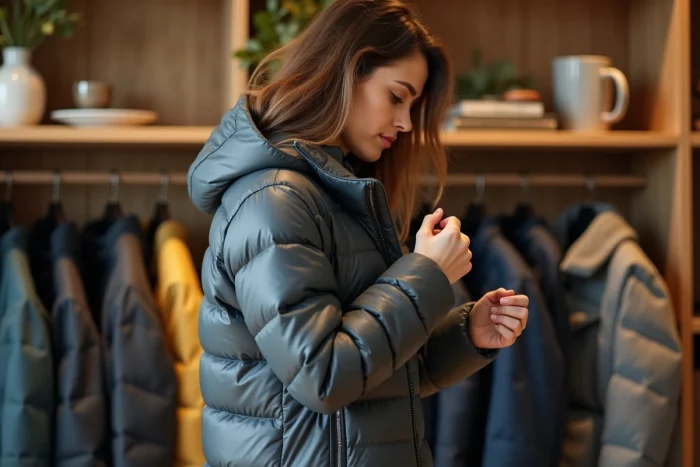
A simple serial number sewn inside a Pyrenex down jacket is not enough to dispel doubt: some clever counterfeiters no longer hesitate to copy valid codes, stolen from genuine models. Even YKK zippers, known for their robustness and ubiquitous at Pyrenex, sometimes appear on high-end copies.
What remains are the details: a seam that is a bit less neat, down that lacks flexibility, a tactile sensation that betrays the deception. In the face of increasingly sophisticated copies, it becomes essential to methodically check every aspect: logo, composition label, packaging, and even the product’s digital passport.
Why the authenticity of Pyrenex, Parajumpers, and Nobis jackets makes all the difference
The quality of the down selected for each Pyrenex jacket is the result of true French know-how, evident in the selection of raw materials and the care taken at every stage of production. Behind each authentic piece lies the commitment to offer a durable product, ready to face harsh winters, without compromising comfort or insulating performance over time. The original parkas and down jackets stand out for their impeccable cut, precise drape, and details even in the finishes, far removed from the visible approximations found on imitations.
An authentic piece is also recognized by the accuracy of its color palette, the quality of its padding, the sturdiness of its zippers, and the care given to the interior labels. Opting for a genuine model means choosing a style that never goes out of fashion and a design that meets the brand’s standards. The copies, on the other hand, accumulate flaws: fragile seams, synthetic fabrics, poorly reproduced logos, crooked labels.
To determine if a Pyrenex jacket is counterfeit, everything must be scrutinized: logo, interior labels, padding, quality of the closures. Imitations pay attention to appearance but often neglect overall coherence. Checking the origin, comparing the model, the price, and the advertised features often reveals the scam.
Here are the concrete points to study to avoid mistakes:
- Traceability of the down and mention of the country of origin
- Finishes and details faithful to the brand
- Compliance of labels and logo
This is not just a matter of appearance: the difference also affects durability, comfort, and the brand’s genuine commitment. For further information, the site check if a Pyrenex jacket is fake details these points in its resource “How to know if it’s a real Pyrenex? – Veynes”.
What clues can distinguish a real jacket from a counterfeit?
A thorough inspection is necessary to separate the real from the fake. Start with the labels: on an authentic one, they are clear, free of errors, and securely sewn into the lining. The Pyrenex logo, whether embroidered or printed, displays exact colors, a distinct relief, sharp contours, leaving no room for approximation.
Here are the signs that allow you to recognize an authentic piece:
- Zip and closures: a well-made zipper, sometimes marked Pyrenex, glides smoothly. On copies, the zipper is often of lower quality, hard to manipulate, or poorly attached.
- Manufacturing details: the padding remains consistent, and the distribution of down is even. No feathers, no threads escape from the seams.
- Price: beware of an offer that is too low. An abnormally low price rarely hides a good surprise.
The interior label must include the country of manufacture. If this information is missing, or if the mentioned country seems suspicious, there is reason to doubt. The available colors are also true to the brand: no garish shades or improbable combinations never seen at Pyrenex.
Also consider the feedback from other buyers. Customer photos help compare every detail: sleeve length, well-positioned logo, fabric appearance. For more information, the brand’s official resource and the page dedicated to verifying a Pyrenex will guide you effectively.
Labels, finishes, codes: reliable methods to verify before buying
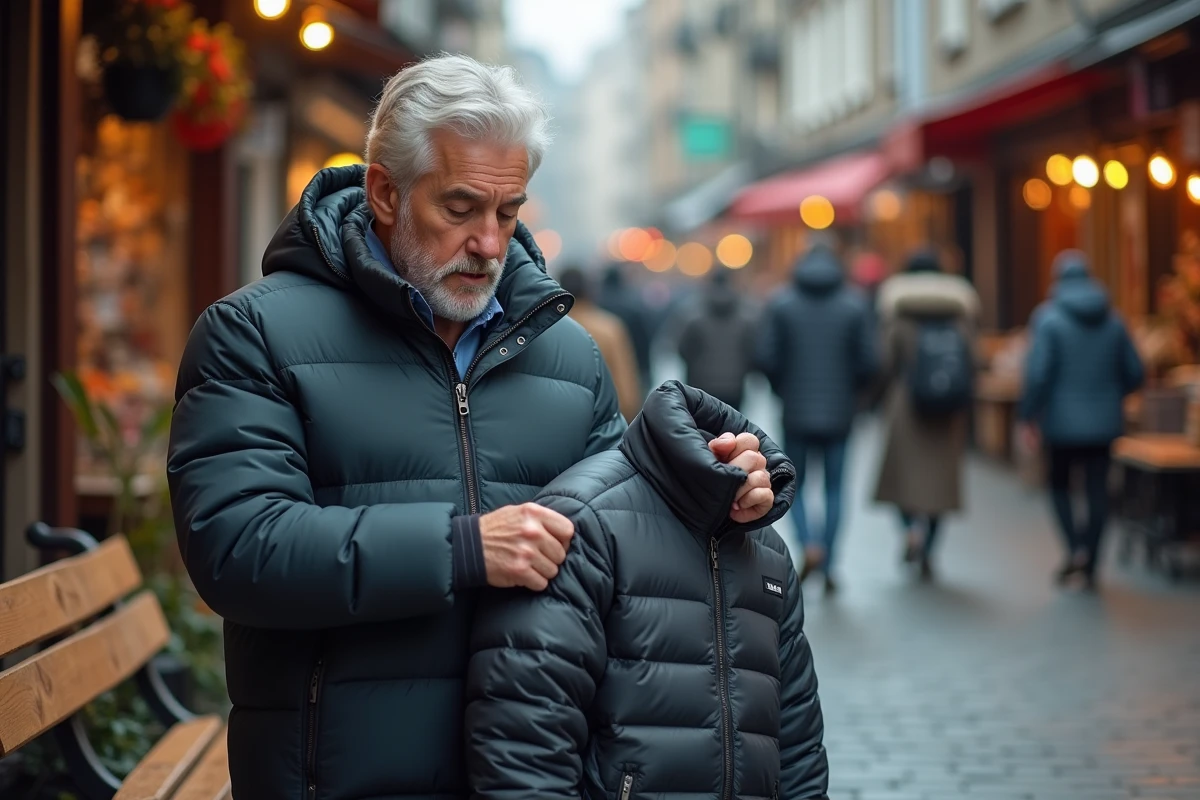
Carefully examine each label inside the jacket: Pyrenex provides precise information. On an authentic model, you will find the exact composition of the down, the mention of the country of manufacture, and the product reference. If the text is blurry, if strange formulations appear, or if the serial number is missing, caution is warranted.
The logo Pyrenex, sewn or embroidered, is recognized by the clarity of its lines and the fidelity of its colors. The feel of the fabric is unmistakable: the material should be soft without a plastic noise, pleasant to the touch. As for the seams, they reflect the seriousness of the assembly: no threads sticking out, no uneven padding, no feathers escaping.
Some control points before purchase
To avoid unpleasant surprises, systematically check the following aspects:
- The zipper must be sturdy, sometimes engraved with Pyrenex, and function perfectly.
- The details on the collar, pockets, and cuffs reflect the care taken in manufacturing.
- The displayed price remains consistent with the brand’s range, never discounted without reason.
Finally, take a look at the reviews available online or ask for advice from an authorized dealer. Some models offer a QR code or an NFC chip: take the time to scan them to verify traceability. Any hesitation about a finish should be taken seriously. Spotting a real Pyrenex is primarily a matter of attention to detail, and the satisfaction of not being deceived is appreciated every winter when the jacket truly lives up to its promises.